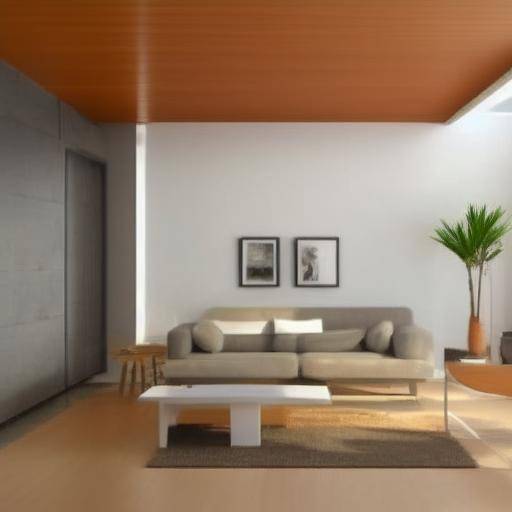
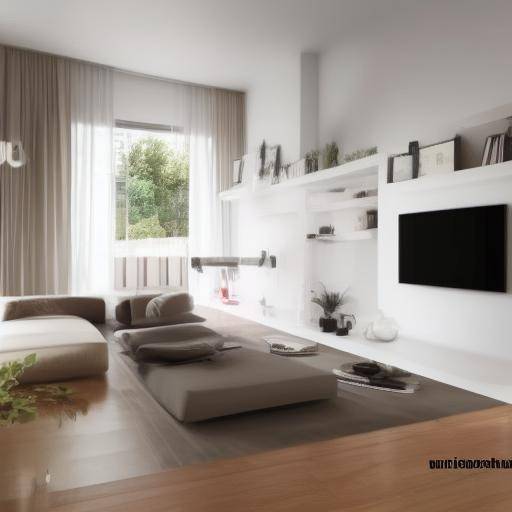
Nature, besides providing us with fresh air and a beautiful and vibrant environment, can also contribute to the aesthetics of our interior spaces. In addition, decorating with plants and natural elements can bring great benefits for energy and economic savings. In this article, we will explore a variety of tips to decorate with plants and natural elements, as well as analyze how this practice can contribute to the aesthetics of our homes and spaces.
Nature: Integrating green elements into our spaces
Saving: Economic and energetic advantages of natural decoration
Aesthetic: Beauty and harmony in interior design
Introduction
The integration of natural elements into our inner environments is a practice that has gained great relevance in recent years. It not only brings aesthetic beauty, but also offers economic and energetic benefits. In this article, we will explore practical advice to decorate with plants and natural elements, taking advantage of the benefits of nature to achieve more harmonious, sustainable and beautiful spaces in our homes and workplaces.
History and Background
The integration of nature into interior spaces has ancestral roots. Since ancient times, various civilizations have used nature in their architectural and decorative designs. The hanging gardens of Babylon are an emblematic example of this practice, which had as its main objective to merge natural beauty with everyday life. At present, this trend has risen with strength, driven by the search for balance and harmony in an increasingly technological and accelerated world.
Analysis in Deep
The integration of natural elements into the interior offers a wide range of benefits, both aesthetically and economically and environmentally friendly. Studies have shown that the presence of plants and natural elements at home can improve indoor air quality, reduce stress and increase productivity. It also contributes to thermal regulation, which translates into long-term energy savings.
Comprehensive review
The decoration with natural elements is not limited only to the inclusion of plants. Wood, stone and other materials from nature also play a key role in the aesthetics and functionality of the interior spaces. In this sense, it is important to consider the balance and harmony between these elements, creating welcoming and visually attractive environments.
Comparative analysis
The integration of nature, savings and aesthetics in interior design are significantly complemented. The incorporation of natural elements not only brings aesthetic beauty, but can also generate significant energy savings in the long term, reducing dependence on artificial air conditioning and lighting systems. This holistic approach offers an integral vision that promotes sustainability and well-being in the interior spaces.
Practical Tips and Accessible Tips
Decorating with plants and natural elements requires planning and care. Some practical tips include the selection of suitable indoor plants, the proper care of them, and the harmonious integration of these elements with the existing decoration. Also, the use of natural materials in decoration, such as wood and stone, can bring warmth and authenticity to the spaces.
Industry Perspectives and Expert Reviews
Experts in interior design and architecture agree that the integration of natural elements in interior spaces is a trend in upwards. In addition, they emphasize that this practice not only enriches the aesthetics of the spaces, but also contributes to the health and well-being of its occupants. Sustainability and connection to nature have become fundamental values in contemporary interior design.
Case Studies and Practical Applications
Around the world, there are inspiring examples of how the integration of nature into interior spaces has transformed the perception and functionality of the environments. From luxury hotels to corporate offices, the presence of plants and natural elements has generated environments that foster creativity, relaxation and well-being. These success cases demonstrate the transformative power of nature in interior design.
Future Trends and Predictions
The future of interior design aims at greater integration of natural elements, not only for aesthetic reasons, but also for their contribution to sustainability and health. The demand for natural materials and sustainable solutions is expected to continue to increase, driving innovation in design and architecture. Nature, savings and aesthetics will continue to converge in interior design, redefining the way we conceived and enjoyed our living spaces.
Conclusions and FAQs
In short, the integration of plants and natural elements in interior design offers a wide range of benefits, ranging from energy savings to the promotion of well-being and aesthetic harmony. This holistic approach promotes healthier, sustainable and visually pleasing spaces, while connecting us with the beauty and vitality of nature.
Frequently asked questions
**1. What types of plants are ideal for decorating indoor spaces?**Some indoor ideal plants include sansevieria, ficus benjamina, Boston fern and potos, among others. These plants are known for their adaptability to the internal environments and their ability to purify the air.
**2. How can I integrate natural materials into the decoration of my home?**Wood, stone, wicker and bamboo are natural materials that can be integrated into the decoration through furniture, coatings, accessories and decorative elements. These materials provide warmth and authenticity to the spaces.
**3. What are the benefits of energy savings associated with the integration of indoor nature?**The presence of natural plants and materials contributes to thermal regulation, reducing the need for heating and air conditioning. In addition, natural lighting and shade provided by plants can reduce energy consumption.
**4. Is it possible to decorate with plants in spaces with limited lighting?**Yes, there are plants that tolerate environments with little light, such as the lily of peace, the philosopher or the sword of Saint George. These plants are excellent options for spaces with limited lighting.
**5. What natural elements can I incorporate into my office to improve the working environment?**In working spaces, the integration of indoor plants, wood elements, water sources and green walls can help create a more relaxed, productive and pleasant environment for employees.
**6. What trends are expected in nature-related interior design?**Greater integration of nature is expected through indoor gardens, green roofs, automated irrigation systems and the use of recycled and sustainable materials in interior design and decoration.
In conclusion, the decoration with plants and natural elements offers a fresh and sustainable way to embellish our interior spaces, providing tangible benefits in both aesthetic and economic and environmental terms. Integrating nature into interior design not only embellishs our environments, but also connects us with the vitality and harmony that only nature can offer.