Today, food plays a key role in our lives and more and more people are looking for more natural, healthy and economic options. Avoiding processed foods not only allows us to maintain a healthier lifestyle, but can also result in significant long-term savings. In this article, we will explore practical advice to avoid processed and expensive foods, focusing on nature, savings and health.
Introduction
In a world dominated by processed foods and fast food, it is increasingly important to return to our roots and adopt a food closer to nature. The food industry has grown exponentially in recent decades, flooding supermarket shelves with highly processed products, full of additives and unhealthy preservatives. In turn, the constant acquisition of these foods can entail considerable expenditure on our budget.
In this article, we will explore strategies and practical advice to avoid processed and expensive foods, focusing on nature, savings and health. We will discover ways to approach a more natural, economical and beneficial food for our overall health and well-being.
History and Background
Understanding the background and evolution of the food industry allows us to appreciate the value of returning to a food closer to nature. The history of processed food dates back to the Industrial Revolution, when the need for durable and easy to transport food led to the development of conservation and processing techniques. Over time, the convenience and longevity of processed foods made them popular, but at the expense of health and nutritional quality.
Detailed Analysis
Benefits of Natural Food
The adoption of a diet based on natural products has many health benefits. Studies have shown that a diet rich in fruits, vegetables, whole grains and lean proteins can:
- Reduce the risk of chronic diseases such as diabetes, hypertension and heart disease.
- Improve digestive health through increased fiber intake.
- Provide a greater amount of essential vitamins and minerals.
- Help in weight management and improve daily energy.
Challenges to Avoid Processed Foods
While opting for natural foods seems to be an obvious choice, it also presents challenges. Among them are:
- Initial cost: Fresh and organic foods may seem more expensive than their processed counterparts.
- Availability: It is not always easy to find fresh products in all regions, especially out of season.
- Time and effort: The preparation of meals with natural foods may require more time and culinary skills.
Current Trends and Statistics
Current food trends indicate growing interest in natural food and increased awareness of the effects of food processed in health. According to recent statistics:
- 60% of consumers prefer products with simple and natural ingredients.
- The sale of organic foods has increased by 10% annually in the last decade.
- More than 70% of people are willing to pay more for foods they consider healthy.
Full review
Practices and Best Practices
By adopting a more natural diet, it is important to know practical applications and best practices to incorporate these foods into our daily diet. Some recommendations include:
- Meal planning: Planning weekly meals can help avoid impulsive purchases of processed foods.
- Local purchase: Supporting local farmers and buying in farmers' markets can be more economical and provide fresher products.
- Home preparation: Cooking at home allows greater control over the ingredients and quality of meals.
- Own cultivation: If possible, cultivating your own vegetables and herbs can be a cost-effective and satisfying way to get fresh food.
Perspectives of Experts and Future Indications
Experts in the field of nutrition and food offer valuable insights on the long-term benefits of a natural food-based diet. Its recommendations and future directions include:
- Higher nutritional education: Promote education on the benefits of natural foods and how to incorporate them into the daily diet.
- Support policies: Advocate for policies that encourage the production and consumption of natural and sustainable food.
- Technological innovations: Develop technologies that facilitate access to fresh food and minimize waste.
Comparative analysis
By comparing the benefits of a natural diet with the costs associated with processed foods, the relevance of this choice is evident in terms of savings and health. Aspects to be considered include:
- Long-term cost: Although natural foods may have a higher initial cost, savings in medical expenses and improved quality of life can offset this difference.
- Impact on health: Processed foods are associated with a higher risk of chronic diseases, which may result in higher health care costs.
- Sustainability: Natural food production generally has a lower environmental impact compared to processed foods.
Practical Tips and Accionable Measures
Here we present practical advice and actionable measures to avoid processed and expensive food. These strategies include:
Food Selection
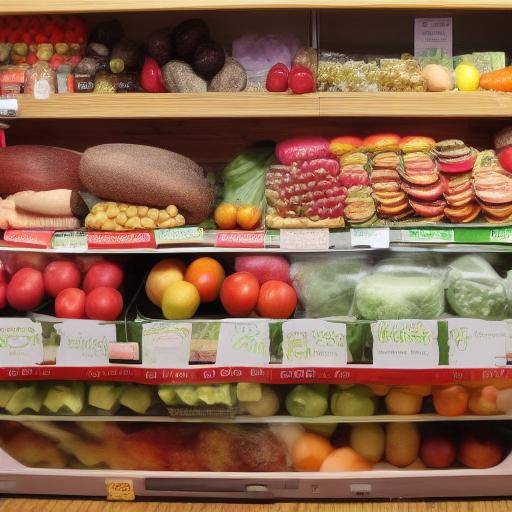
- Opt for fresh and seasonal foods: Seasonal products are usually cheaper and fresher.
- Read tags: Avoid products with artificial, additive and preservative ingredients.
- Buy in bulk: Grains, legumes and bulk nuts can be more economical and reduce the waste of packaging.
Planning and Preparation
- Cooking at home: Preparing your own meals allows greater control over ingredients and quality.
- Prepare in batches: Cooking in large quantities and freezing individual portions can save time and money.
- Use leftovers: Incorporate leftovers into new foods to maximize food use and reduce waste.
Purchase Habits
- Buy locally: Supporting local farmers and buying in farmers' markets can be more economical and provide fresher products.
- Take advantage of offers: Be attentive to offers and promotions in shops and supermarkets.
- Cultivate your own food: If possible, cultivating your own vegetables and herbs can be a cost-effective and satisfying way to get fresh food.
Conclusions
In this article, we have explored the practical benefits, challenges and strategies to avoid processed and expensive foods, focusing on nature, savings and health. By adopting a more natural diet, we not only improve our health, but also achieve significant long-term savings. Nature provides a wide range of fresh and healthy foods that are accessible and nutritious.
Frequently asked questions
1. What are the benefits of eating natural food instead of processing?
Consuming natural foods instead of processed carries multiple health benefits. Natural foods are usually richer in nutrients, contain less additives and preservatives, and promote healthier digestion. They can also help reduce the risk of chronic diseases such as obesity, diabetes and heart disease.
2. Is it really cheaper to opt for natural food instead of processed?
Although natural foods may seem more expensive at the point of purchase, in the long term they represent significant savings in terms of health and medical expenses. By preventing disease and promoting general well-being, natural foods can contribute to significant savings in costs related to medical care and medicines.
3. How can I select more natural foods when shopping at the supermarket?
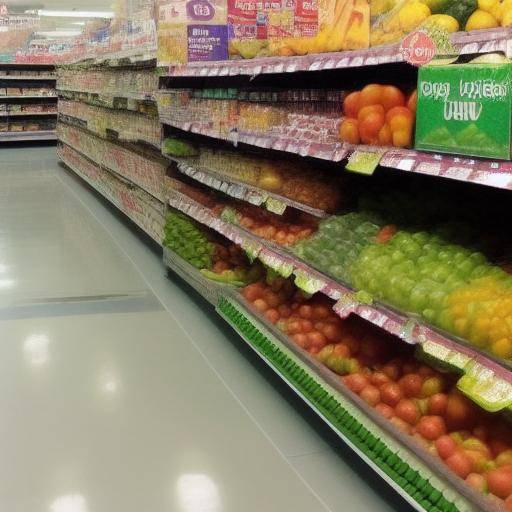
When shopping at the supermarket, it is advisable to opt for fresh foods and minimize the purchase of processed and packaged foods. Dedicating time to read nutritional labels and choosing foods with simple and recognizable ingredients can help you identify more natural options.
4. What is the environmental impact of eating natural foods compared to those processed?
The consumption of natural foods generally has a lower environmental impact compared to processed products. Natural foods often require less processing and packaging, resulting in a lower carbon footprint and less associated waste.
5. Are there natural alternatives to commonly consumed processed foods?
Yes, there are numerous natural alternatives to commonly consumed processed foods. For example, instead of processed snacks, you can opt for fresh fruits, nuts or raw vegetables. Also, instead of processed dressings, you can prepare your own mixtures with natural ingredients such as olive oil, lemon and fresh herbs.
6. Is it possible to follow a diet based on natural foods without spending too much?
It is perfectly possible to follow a diet based on natural foods without spending too much. The key is to plan shopping, take advantage of seasonal products, buy bulk when possible and consider cultivating your own food in a garden or urban garden.
In summary
The adoption of natural food not only promotes health and well-being, but can also result in significant long-term savings. By making conscious decisions when buying and eating food, we can enjoy a healthier and more beneficial diet for both our body and our pocket. Following the advice and strategies presented in this article, you can take significant steps towards a healthier and more balanced life.
Remember that the power of nature lies in its ability to provide us with nutritious and accessible food. With small changes in our food choice, we can experience great improvements in our overall health and well-being.