Healthy and sustainable food has become a growing issue in modern society. As awareness of the impact of processed foods on health and the environment increases, more and more people seek to reduce their consumption of these products. However, making this change may seem costly, which often discourages people from opting for healthier and more sustainable alternatives. In this article, we will explore effective strategies to reduce the consumption of processed foods and save money at the same time.
Introduction
Changing eating habits can be a challenge, but with appropriate strategies, it is possible to adopt a healthier and more sustainable approach without necessarily spending more money. Throughout this article, you will learn about the implications of eating processed foods, how they affect health and the environment, and how you can take steps to reduce their consumption while saving money. From practical advice to in-depth analysis, this guide will provide valuable information for those who want to make a positive difference in their lives and in the world around them.
History and Background
Processed Food OriginsThe processed foods have been present in the human diet for centuries. From canned to frozen foods, the practice of processing food for conservation and comfort has evolved over time.
Impact on Health and EnvironmentThe emergence of processed foods has raised concerns about their impact on health, such as their content of trans fats, added sugars and chemical additives. In addition, mass production and packaging of these foods contribute significantly to pollution and waste generation.
Analysis in Deep
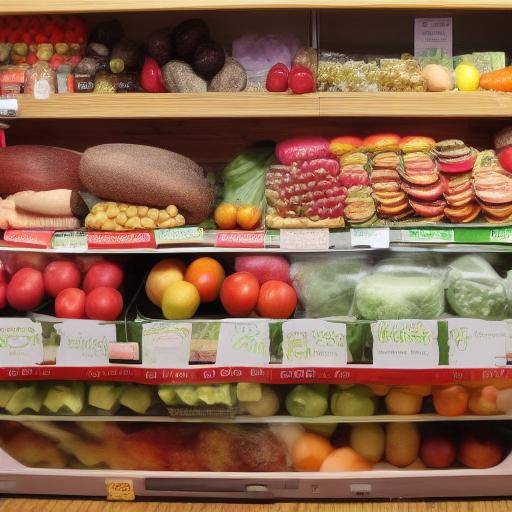
Benefits of Reduce Processed Food ConsumptionReduced consumption of processed foods is associated with a series of health benefits, ranging from improved digestion to prevention of chronic diseases. In addition, by opting for fresher and natural alternatives, the environmental footprint of the personal diet is reduced.
Current Challenges and TrendsDespite the obvious benefits, there are significant challenges in reducing the consumption of processed foods, such as accessibility and cost. However, current trends show an increase in the availability of healthy choices at more affordable prices.
Comprehensive review
Practices and Best PracticesThrough food planning, bulk purchase and household food cultivation, it is possible to reduce the consumption of processed foods without compromising the budget. In addition, learning to cook and prepare meals at home promotes a healthier and more sustainable diet.
Perspectives of Future Experts and PrognosticsNutrition and sustainability experts predict that reducing the consumption of processed foods will be a growing trend in the coming years, which will encourage producers to offer healthier and more affordable alternatives.
Comparative analysis
Benefits for Health, Sustainability and SavingsThe adoption of a fresh and non-processed diet not only benefits personal health, but also reduces the use of natural resources and environmental impact. In turn, reducing the consumption of processed foods can result in long-term savings by avoiding costs related to medical care and opting for cheaper alternatives.
Practical Tips and Accessible Tips
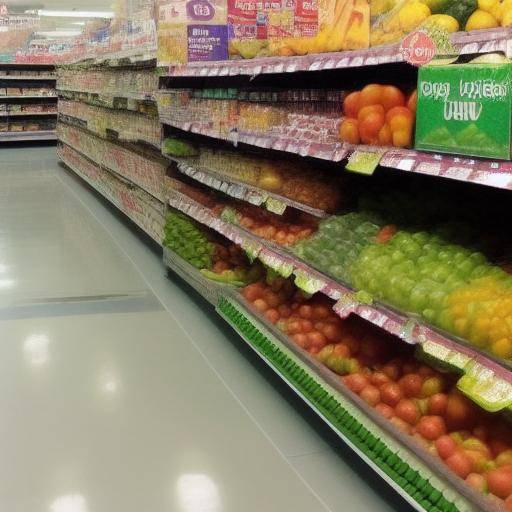
Intelligent Meal Planning and ShoppingOne of the most effective approaches to reducing the consumption of processed foods is to plan meals in advance and make purchases consciously. When preparing a shopping list and limiting frequent visits to the supermarket, you can minimize the temptation to buy processed foods while avoiding unnecessary expenses.
Cooking and Food StorageInvesting time in the preparation of meals at home not only promotes a healthier diet, but also allows to control the ingredients and quality of food. In addition, learning to properly store food can prolong your life, thereby reducing waste and saving money.
Industry Information and Expert Reviews
Perspectives of Companies and ExpertsFood companies and sustainability experts are actively working to provide healthier and sustainable choices at competitive prices, demonstrating a positive change in the food industry.
Case Studies and Real Life ApplicationsExamine actual cases of people who have managed to reduce their consumption of processed foods and save money can provide inspiration and clarity on practical steps to follow.
Future Trends and Predictions
Evolution of Food ConsciousnessConsciousness on the importance of healthy and sustainable food is expected to continue to increase, leading to significant changes in the way food is produced, distributed and consumed.
Conclusion
In short, reducing the consumption of processed foods is not only beneficial to personal health and the environment, but can also contribute significantly to long-term economic savings. By adopting practical strategies such as food planning, home cooking and informed decision-making when purchasing food, this change can be carried out effectively and sustainably.
Frequently asked questions
Why is it important to reduce the consumption of processed foods?
Reducing the consumption of processed foods is important because of their negative impact on health, the environment and the economy. Opting for fresher and more natural alternatives brings significant long-term benefits.
How can I reduce the consumption of processed foods without spending too much money?
Food planning, bulk purchase, home cooking and food cultivation are effective strategies to reduce consumption of processed foods without compromising the budget.
Are there healthy and affordable alternatives to processed foods?
Yes, they are increasingly offering healthy and affordable alternatives to processed foods, which gives consumers more options to bring a healthier and more sustainable lifestyle.
How can I start changing my eating habits into healthier choices?
Starting with small changes, such as increasing the consumption of fruits, vegetables and whole grains, and reducing the intake of high-fat foods, added sugars and additives, can make the difference in the long term.
Is reducing the consumption of processed foods positively impacting the environment?
Yes, by opting for fresh and natural foods, the environmental footprint of the personal diet is reduced, which contributes to sustainability globally.
What perspectives are on the future of healthy and sustainable food?
Healthy and sustainable food is expected to continue to gain relevance, which will generate more innovation in food supply and more affordable and affordable choices for consumers.
With this article, you have acquired key knowledge about strategies to reduce the consumption of processed foods and save money. By implementing these strategies in your daily life, you can not only improve your health and reduce your environmental impact, but also save money in the long term. We hope this information has inspired you to make more conscious and sustainable choices in your food!