Sustainable construction has emerged as a powerful approach to building a more environmentally friendly future. Its impact is not only limited to ecology, but also to long-term savings. In this article, we will explore how innovation, efficiency and sustainability in construction are transforming industry and generating significant economic benefits.
Introduction
Sustainable construction is not simply a passing fashion, but an urgent need in a world where natural resources are quickly exhausted. Innovation, efficiency and sustainability are the pillars of this new way of building, and their impact transcends conventional expectations of long-term profitability. In this article, we will break down how these three dimensions are redefining the constructive paradigm, generating savings and preserving the environment for future generations.
Innovation in sustainable construction
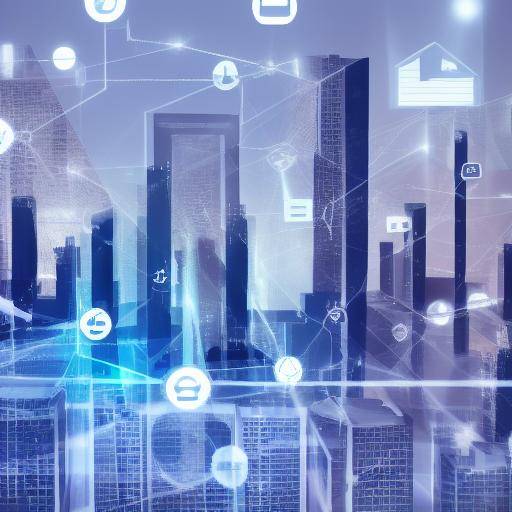
Innovation in sustainable construction has been a determining factor in the evolution of this industry. From the development of new materials to the implementation of intelligent technologies, innovation has allowed constructions to be more efficient and environmentally friendly. This innovation not only has ecological benefits, but also generates significant savings over the life cycle of a building. Recent research suggests that structural integrity, durability and energy efficiency of sustainable buildings lead to significant savings in maintenance costs over time.
Efficiency in sustainable construction
Efficiency is a key component of sustainable construction. Resource optimization, waste reduction and the use of renewable energy are essential practices in this discipline. These strategies not only foster environmental conservation, but also generate significant long-term savings. A recent study revealed that sustainable buildings achieve significant reductions in operating costs, thanks to energy efficiency and the implementation of advanced resource management systems.
Sustainability as long-term savings engine
Sustainability is the heart of sustainable construction, and its impact on long-term savings is undeniable. The integration of sustainable practices from the design phase to the operation and maintenance of a building allows the reduction of costs throughout its useful life. Efficient water and energy systems, waste management, and the choice of ecological materials are critical to achieving these savings. Studies point out that sustainable buildings not only experience reductions in operating costs, but also see a significant increase in their market value over time.
Conclusion
Sustainable construction, driven by innovation, efficiency and sustainability, is transforming the construction industry and generating substantial long-term savings. From reduced operating costs to increased market value, the economic benefits of this practice are undeniable. Thus, it is clear that sustainable construction is not only an environmentally responsible choice but also a solid investment for the future.
FAQs
1. What role does innovation play in sustainable construction?
Innovation in sustainable construction has been critical to the development of new technologies, materials and constructive techniques that enable more efficient construction, reducing long-term costs.
2. What are the economic benefits of efficiency in sustainable construction?
Efficiency in sustainable construction entails significant savings in operating costs throughout the life cycle of a building, thanks to resource optimization and waste reduction.
**3. How does sustainability contribute to generating long-term savings in construction?Sustainability in construction allows the reduction of long-term costs by integrating practices that optimize resource use, efficiently manage energy and water, and select materials that promote environmental conservation, generating significant savings over a building's useful life.
4. What is the importance of considering long-term savings in sustainable construction?
Long-term savings are crucial in sustainable construction, as it demonstrates the economic viability of this practice, promoting its adoption on a larger scale and contributing to environmental conservation.
5. How can sustainable construction practices be implemented from the design phase?
The implementation of sustainable practices from the design stage involves considering energy efficiency, the selection of eco-friendly materials and the integration of systems that support the conservation of natural resources.
6. What specific economic advantages do sustainable buildings offer compared to conventional ones?
Sustainable buildings have significant reductions in operating costs over time, resulting in significant financial savings, as well as an increase in market value due to their higher efficiency and durability.
This article addressed the momentous importance of innovation, efficiency and sustainability in sustainable construction, highlighting its impact on long-term savings. In understanding the relevance of these aspects, sustainable construction is clearly positioned as a solid investment for the future, both from an economic and environmental perspective.