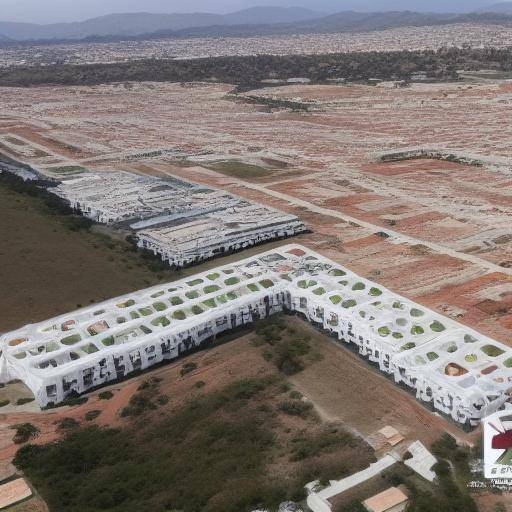
In the modern era, innovation, growth and sustainability are essential concepts in various fields, especially relevant in the world of agriculture. These values have a significant impact on green investments and the sustainable future of the planet. In this article, the impact of sustainable agriculture on green investments will be explored in detail, analysing its influence on innovation, economic growth and the preservation of the environment.
Innovation in Sustainable Agriculture
Innovation in sustainable agriculture has transformed food production and distribution globally. From the development of more efficient agricultural practices to the use of advanced technologies, innovation plays a crucial role in promoting a more sustainable agricultural system. The implementation of techniques such as precision agriculture, the use of drones for crop monitoring and the application of biotechnology in seed improvement has revolutionized the agricultural industry, while promoting the development of green investments in the sector.
Precision Agriculture
Precision agriculture uses technologies such as sensors, GPS and data analysis to optimize resource use, improve crop yields and reduce environmental impact. This technique allows farmers to make informed decisions about planting, fertilization and irrigation, resulting in greater efficiency and sustainability.
Drones and Crop Monitoring
The use of drones in agriculture allows the aerial monitoring of large tracts of cultivation, providing accurate data on plant health, soil humidity and the presence of pests. This information helps farmers implement more effective management practices and minimize the use of pesticides and fertilizers, which contributes to environmental sustainability.
Biotechnology in Spain
Biotechnology has allowed the development of improved seeds that are more resistant to diseases, pests and adverse weather conditions. These seeds not only improve agricultural productivity, but also reduce the need for chemical inputs, promoting more ecological and sustainable agriculture.
Economic growth and sustainable agriculture
Sustainable economic growth is essential for the advancement of societies and the continued improvement of living conditions. Sustainable agriculture not only contributes to the production of healthier and safer food, but also promotes economic development by creating new investment opportunities in green projects.
Generation of Employment and Rice
The adoption of sustainable agricultural models generates employment and wealth in rural communities, fostering local economic development. Sustainable agricultural practices require skilled labour for the implementation of advanced technologies and efficient management of resources, creating jobs and improving the income of farmers.
Conservation of Natural Resources
Sustainable agriculture promotes conservation of natural resources, such as soil, water and biodiversity. Using agricultural practices that preserve and improve soil health, such as crop rotation and conservation agriculture, ensures the availability of these resources for future generations, which is essential for sustained economic growth.
Environmental Sustainability and Future Agriculture
Environmental sustainability is the pillar on which the future of our planet is sustained. Sustainable agriculture plays a crucial role in preserving ecosystems, mitigating climate change and protecting biodiversity.
Climate Change Mitigation
Sustainable agriculture contributes to climate change mitigation through practices that reduce greenhouse gas emissions and increase carbon capture. Agroforestry, integrated nutrient management and the use of cover crops are examples of practices that can reduce the carbon footprint of agriculture.
Protection of Biodiversity
The preservation of biodiversity is essential for the resilience of agricultural ecosystems. Sustainable agricultural practices promote biodiversity by maintaining natural habitats, using local crop varieties and reducing the use of agrochemicals. This not only benefits biodiversity, but also improves crop resistance to disease and pests.
Conclusion
Sustainable agriculture is vital not only to ensure food security, but also to have a significant impact on green investment, innovation and economic growth, promoting a harmonious balance between food production and environmental conservation. As we move towards a more sustainable future, it is crucial to recognize the key role of sustainable agriculture in promoting green investment and its significant impact on innovation, economic growth and environmental sustainability.
The adoption of sustainable agricultural practices not only benefits farmers and rural communities, but also contributes to global well-being by protecting our natural resources and mitigating climate change. Green investment in sustainable agriculture represents an opportunity to build a more resilient and prosperous future for all.