The proper administration of personal finance is essential to achieving stability and economic security. One of the fundamental pillars for achieving this objective is the regular review of our finances. In this article, we will explore in depth the impact of tracking, adjustment and control on personal financial management, as well as its influence on the creation of solid financial habits. From its origin and evolution to its practical application and future trends, we will discover the relevance of these practices and how they can positively transform our lives.
History and Background
The review and follow-up of personal finances is not a recent practice, it has evolved over time in response to economic and financial changes. Throughout history, financial management has experienced various stages that reflect the evolution of societies and the global financial system. From the use of manual accounting records to the digital era and financial management tools, the way we manage our finances has changed significantly.
The importance of this evolution lies in the need to adapt to a changing financial environment. The growing complexity of personal finances and the wide range of available investment and savings options require a systematic and diligent approach to maintain control and maximize financial potential.
It is crucial to understand that financial management is not limited only to the economic aspect but also closely related to quality of life and emotional well-being. Financial fluctuations can have a significant impact on people's mood and mental health. Therefore, the regular review of personal finances not only seeks to ensure economic stability, but also to promote the well-being and emotional security of individuals.
Analysis in Deep
The practice of tracking, adjusting and controlling personal finances offers a wide range of benefits that influence the quality of life and financial prospects. By maintaining regular monitoring of income, expenditure, investment and savings, a clearer understanding of the current financial situation is achieved, thereby identifying opportunities for improvement and mitigating potential risks.
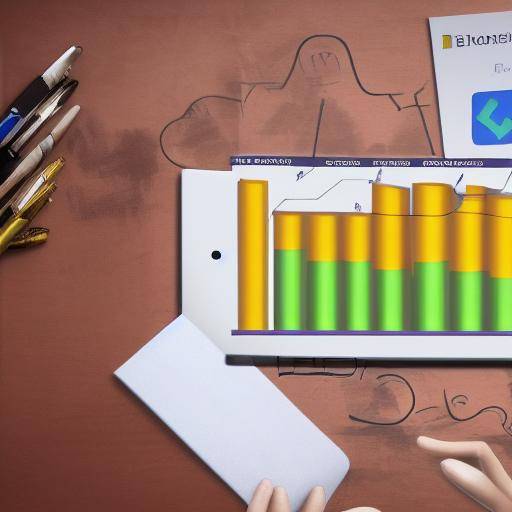
The thorough follow-up of personal finances facilitates informed decision-making and long-term planning. Clear visualization of spending and savings patterns provides an opportunity to adjust financial strategies to achieve specific goals, whether the purchase of housing, the education of children or retirement.
The constant adjustment of personal finances in response to changes in economic and personal circumstances is essential for maintaining financial solidity. Flexibility to adapt to unexpected changes, as well as the ability to take advantage of financial opportunities, are critical components for achieving stability and economic growth.
Effective control of personal finance involves the establishment of clear limits and the adoption of disciplined measures to maintain financial health. The proper management of indebtedness, the establishment of financial reserves and the practice of sound investment are key aspects of financial control that provide security and tranquillity.
Comprehensive review
It is essential to understand the practical implementation of follow-up, adjustment and control in personal financial management. Different strategies and tools can be used to optimize this process, from the use of financial management applications to the consultation of specialist advisers. We will examine best practices for each stage of follow-up, adjustment and control, as well as possible difficulties that individuals can face when implementing these practices.
In considering the various perspectives on financial management strategies, it is possible to identify innovative and adaptive approaches that can be applied to different contexts. Personal finance experts often offer informed opinions and perspectives that illuminate new ways to address financial management, allowing individuals to explore custom options that fit their specific financial needs and goals.
Comparative analysis
It is relevant to analyse in depth the similarities and differences between follow-up, adjustment and control in personal financial management. Although these terms are intertwined in practice, each one carries distinctive aspects that influence only stability and financial growth. Compare and contrast these strategies provides a wider understanding of their impact and allows us to identify synergies that can enhance their effects.
The tracking of personal finances focuses on the collection and analysis of relevant financial information to understand the current state of personal finance. The adjustment refers to the modification of financial strategies according to the insights obtained from the follow-up, adapting them to changing needs and objectives. Finally, control involves establishing clear limits and discipline in financial decision-making to maintain stability and economic growth.
Practical Tips and Accessible Tips
By providing practical guidance on follow-up, adjustment and control in personal financial management, it is essential to provide clear, applicable and effective advice. These councils may include the creation of a detailed budget that accurately reflects income and expenditure, regular investment assessment and proactive debt reduction measures.
The implementation of automated strategies, such as recurrent payments and programmed savings, can simplify financial monitoring and control, facilitating a more proactive and conscious approach to financial management. In addition, exploring different approaches to adjusting financial goals based on changes in the personal and economic situation can expand the options available to achieve specific financial goals.
Industrial Perspectives and Expert Reviews
It is essential to collect and present opinions from key experts and actors in the area of financial management to enrich content with specialized and up-to-date perspectives. Expert opinions can provide valuable information on emerging trends, fundamental pillars for strengthening healthy financial habits, and future economic challenges that could impact personal financial management.
Interviews with personal finance experts, as well as participation in influential debates and conferences, can provide a more comprehensive view of current trends and practices in financial management. These perspectives not only provide detailed information on effective approaches to financial management, but also highlight areas of opportunity and potential areas of improvement.
Case Studies and Practical Applications in Real Life
The incorporation of detailed case studies demonstrating the practical application of follow-up, adjustment and control in personal financial management is essential to illustrate how these strategies can manifest in real situations. Case studies offer concrete examples that highlight the results achieved through the effective implementation of these practices, allowing readers to visualize how these strategies can be applied in their own financial life.
Analyzing cases of individuals or families who have made significant changes in their financial well-being by adopting a methodical and proactive approach to financial management provides inspiring examples that illustrate the positive impact of monitoring, adjustment and control. These examples can vary, from successful debt management to significant accumulation of savings and investments over time, demonstrating the transformative potential of these practices.
Future Trends and Predictions
The world of personal financial management is constantly evolving, driven by technological advances, social changes and changes in financial markets. Exploring emerging trends and predicting the future of monitoring, adjustment and control in financial management provides an informed perspective on how these practices could be adapted and prospered in the changing financial environment.
Emerging technologies such as artificial intelligence and automation are transforming the way people manage their finances. The integration of smart digital tools into the tracking, adjustment and control processes offers the promise of greater accuracy, efficiency and personalization in personal financial management. Similarly, advances in data analysis and financial visualization could enrich the ability of individuals to understand and optimize their finances more effectively.
Furthermore, changes in consumption and savings patterns, as well as demographic trends, could influence how people interact with their personal finances. The emergence of new economic structures and adaptation to an increasingly interconnected global financial environment present challenges and opportunities that could reshape the way personal financial stability is perceived and managed.
Conclusions and FAQs
Conclusions
In short, the regular review of personal finances through follow-up, adjustment and control practices plays a crucial role in creating sound financial habits. These practices offer significant benefits that go beyond economic stability, positively impacting on emotional well-being and quality of life. By adopting a methodical and conscious approach to personal financial management, it is possible to achieve greater security, effectiveness and tranquility in finance.
Frequently asked questions
1. What is the importance of tracking personal finances?
Monitoring of personal finances is critical to understanding the current financial situation, identifying spending and savings patterns, and making informed decisions based on specific data.
2. How can I adjust my financial strategy in response to changes in my economic situation?
It is crucial to regularly review and adjust your financial goals as well as to evaluate and modify your savings and investment strategies based on changes in your income, expenses and financial goals.
3. What is the role of control in personal financial management?
Control involves setting clear limits, maintaining discipline in financial decision-making and managing debt responsibly to ensure stability and economic growth.
4. What are the best practices to keep track of personal finance effectively?
Keeping detailed income and expenditure records, using financial management tools and implementing automated strategies are effective practices for sound financial tracking.
5. How can I face unexpected situations through adjustment in personal financial management?
Flexibility and adaptability are key. Preverging scenarios and having financial reserves are fundamental strategies to effectively adjust financial management at unexpected times.
6. What emerging trends could impact personal financial management in the future?
Advanced technologies, demographic changes and changes in consumption patterns represent trends that will influence how people manage their finances. Be aware of these trends will allow for more effective and relevant approaches to personal financial management.
Conclusion
Monitoring, adjustment and control in personal financial management are key practices that can catalyse the creation of sound financial habits and greater economic and emotional stability. By understanding the positive impact of these practices, individuals can empower themselves to make more informed financial decisions, adapt to unexpected changes and forge a path to a more secure and prosperous financial future. Regular review of personal finance is not only a skill, it is a powerful habit that can transform lives, and its importance lies in its ability to provide security, tranquility and financial freedom.