Introduction
Regular exercise is not only beneficial to our physical and mental health, but can also have a significant impact on reducing medical expenses. Disease prevention, cost savings associated with treatment and improvement of general well-being are fundamental aspects that are closely related to the usual practice of physical activity. In this article, we will explore in depth how regular exercise contributes to disease prevention, associated economic savings and the integral well-being of people.
History and Background
Physical exercise has been a fundamental activity throughout the history of humanity. From the athletic practices of ancient civilizations to the development of modern training methods, exercise has been valued for its health benefits. At present, awareness of the importance of regular exercise has grown significantly, backed by scientific discoveries and advances in sports medicine.
Over time, exercise has evolved from being primarily a means of achieving athletic performance to being recognized as a crucial tool for preventing chronic diseases such as obesity, type 2 diabetes, cardiovascular diseases and some types of cancer. Scientific evidence supports the fundamental role of exercise in promoting health and disease prevention, which has led to a shift in focus on medical care, prioritizing the promotion of active and healthy lifestyles.
Detailed Analysis
The positive impact of regular exercise on disease prevention is a topic that has been extensively investigated. Scientific studies have shown that regular physical activity strengthens the immune system, reduces the risk of chronic disease, improves mental health and contributes to healthy aging. Disease prevention through exercise not only benefits individuals in terms of a healthier life, but also has a direct impact on reducing the costs associated with medical treatments. The incidence of chronic diseases related to physical inactivity represents a significant burden on health systems in terms of treatment costs and medical expenses.
The economic savings associated with regular exercise are manifested in different aspects, from a reduced need for medical care and medicine to a reduction in the days of work lost due to diseases. In addition, the promotion of active lifestyles can have positive effects at the community level, reducing the economic burden on public health systems and contributing to a healthier and productive society.
On the other hand, the integral well-being of people goes beyond disease prevention and economic savings. Regular exercise has been associated with significant psychological benefits, such as reducing stress, anxiety and depression, as well as improving mood and self-esteem. These aspects are fundamental to emotional and mental well-being, contributing to better quality of life.
Comprehensive review
The effective application of regular exercise as a tool for prevention, savings and well-being requires a holistic approach that encompasses physical, mental and emotional aspects. Education on the importance of exercise, access to sports facilities and physical activity programmes, as well as community support are key factors in fostering active lifestyles.
Health and well-being experts recognize the need to address existing barriers that limit participation in regular exercise, such as lack of time, resources or information. The implementation of public policies that foster environments conducive to physical activity, the promotion of exercise programs adapted to different age groups and physical conditions, and the development of strategies to make physical activity accessible and attractive are fundamental steps to promote transformative change in society.
Comparative analysis
The relationship between regular exercise, disease prevention, savings in medical expenses and well-being is based on a solid basis that demonstrates the integral benefits of maintaining an active and healthy lifestyle.
Practical Tips and Accessible Tips
- Establish realistic goals: Planning and the establishment of attainable goals in terms of physical activity are essential for maintaining motivation and consistency.
- Find activities you enjoy: The choice of physical activities that are pleasing and rewarding increases the chances of maintaining regularity in the exercise.
- Incorporate exercise in daily life: Find opportunities to be active, such as using stairs instead of elevator or walking instead of driving for short distances.
- Find the support of friends and family: Sharing the experience of exercising with other people can increase motivation and make exercise a socially rewarding activity.
- Varíe his routine: Incorporating variety into your exercise program can make it more interesting and challenging, avoiding monotony and boredom.
Industry Information and Expert Reviews
According to the American Heart Association, "physical inactivity is a risk factor for coronary disease equal to high blood pressure, high cholesterol and smoking." Early intervention and the promotion of an active lifestyle are key to reducing the burden of chronic diseases in society.
Dr. Ana Gómez, a specialist in sports medicine, points out that "regular physical activity not only benefits the body, but also has a positive impact on mental and emotional health, which impacts on the integral well-being of people".
Case Studies and Applications in Real Life
In a study carried out in a working environment, a physical exercise program was implemented for employees, resulting in a significant reduction in costs related to medical treatment and days of work lost due to illnesses.
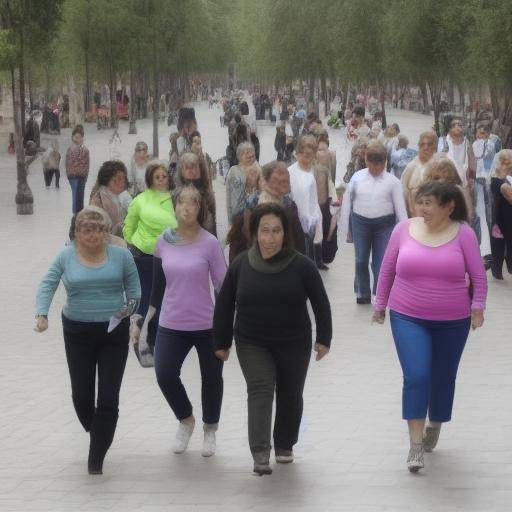
At the community level, the creation of public spaces for physical activity, such as parks and pedestrian paths, has proved to be an effective strategy to promote active lifestyles, with positive impacts on the health and well-being of the local population.
Future Trends and Predictions
Current trends suggest a growing focus on technology integration and exercise, through wearable devices, mobile applications and physical activity tracking platforms, which facilitates personalized monitoring and participation in exercise programs.
In addition, greater collaboration between health professionals and experts in physical activity is expected to develop multidisciplinary approaches that promote disease prevention, savings in medical expenses and well-being through regular exercise.
Conclusions
Keeping in mind the importance of regular exercise as a tool for prevention, savings and well-being is essential to fostering active and healthy lifestyles. The integral benefits of physical exercise go beyond improving individual health, positively impacting on the reduction of medical expenses and contributing to the emotional and mental well-being of people.
Frequently asked questions (FAQs)
How does regular exercise contribute to disease prevention?
Regular exercise strengthens the immune system, reduces the risk of chronic diseases such as diabetes and cardiovascular diseases, and promotes optimal health status, which contributes to the prevention of multiple diseases.
Are there studies that support savings in medical expenses through regular exercise?
Yes, several studies have shown that the usual exercise practice is associated with a reduction in medical expenses, both at the individual and at the community level, due to a lower incidence of chronic diseases and an improved overall health condition.
How does regular exercise contribute to emotional and mental well-being?
Regular exercise promotes the release of endorphins, neurotransmitters associated with the feeling of well-being, which can help reduce stress, anxiety and depression, as well as improve mood and self-esteem.
What are some effective strategies to incorporate regular exercise in daily life?
Incorporating exercise in daily life can be achieved through activities such as walking, cycling, playing sports, attending exercise classes or doing physical activities at home. Identifying activities that are pleasurable and varying routines are effective strategies to keep track in exercise practice.
What is the importance of prevention of diseases related to physical inactivity?
Preventing diseases related to physical inactivity is critical to reducing the economic burden on health systems and increasing the quality of life of the population. Promoting active and healthy lifestyles represents a long-term investment in health.
How is the approach expected to evolve in physical activity in the future?
The focus on physical activity is expected to increasingly integrate technology, with the implementation of devices and applications that facilitate personalized monitoring and participation in exercise programs. In addition, more interdisciplinary collaboration between health professionals and experts in physical activity is envisaged to promote holistic approaches to prevention and well-being.
What is the community impact of regular exercise on disease prevention?
Promoting active lifestyles at the community level through public spaces for physical activity and collective exercise programs can contribute to a significant reduction in the economic burden of chronic diseases and promote the integral health of the community.
This article provides a comprehensive overview of the impact of regular exercise on disease prevention, savings on medical expenses and well-being, providing valuable information and key insights to enrich knowledge on this crucial issue.