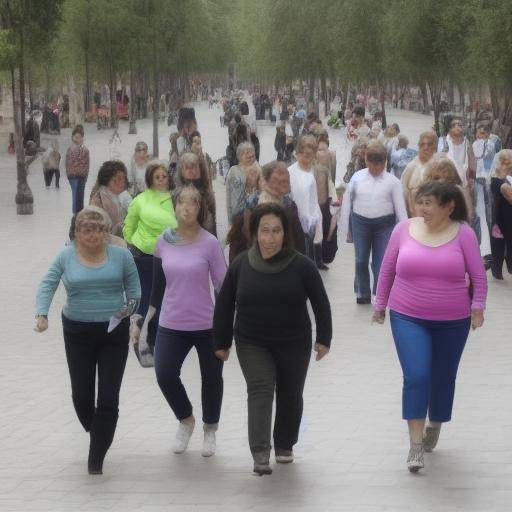
Physical and mental well-being is fundamental to a healthy life. Regular exercise not only contributes to disease prevention, but can also significantly reduce long-term medical costs. In this article, we will thoroughly explore the impact of exercise on well-being, disease prevention and economic savings. We will discover historical evidence, comprehensive analysis, practical advice, expert testimonies and future trends to provide a full perspective on this important issue.
Introduction
Sedentarism and bad eating habits have contributed to an increase in chronic diseases such as obesity, diabetes and heart disease. Regular exercise has been highlighted as a crucial factor in the fight against these diseases and in reducing the costs associated with their treatment. Let's find out how their impact goes beyond the physical and reduces the financial burden for individuals, families and health systems as a whole.
History and background
Exercise has been a pillar of human well-being throughout history. From physical practices in ancient Greece to aerobic movements in the twentieth century, the importance of exercise has been recognized and promoted in different cultures and times. With the development of modern medicine, extensive scientific evidence has accumulated that supports the benefits of exercise in disease prevention.
In-depth analysis
The benefits of exercise go beyond the prevention of physical diseases; it also has a positive impact on mental and emotional health. Studies show that regular physical activity reduces stress, anxiety and depression. In addition, exercise contributes to the regulation of body weight, the strengthening of the immune system and the improvement of sleep quality.
Comprehensive review
We will examine how exercise can reduce the costs associated with medical treatments, hospitalizations and medicines. In addition to disease prevention, the impact of exercise on the reduction of long-term medical expenses is significant. We will explore real cases in which individuals and families have experienced a decrease in health care costs due to the implementation of exercise habits.
Comparative analysis
We will compare the influence of exercise on well-being, disease prevention and economic savings. We will see how these three aspects are interconnected and how exercise positively affects everyone. In addition, we will highlight how a preventive, exercise-driven approach can generate a positive financial impact in various areas, including public health systems and medical insurance.
Practical advice and recommendations
We will offer practical advice to effectively incorporate exercise into everyday life. From setting realistic goals to finding activities that are enjoyed, we will provide accessible strategies for people to adopt a more active lifestyle. In addition, we will present exercise options that fit different ages, physical condition levels and schedules.
Industry perceptions and expert opinions
We will compile expert opinions on medicine, public health and economy to obtain a holistic view of the impact of exercise on disease prevention and medical expenses. We will examine the long-term implications of promoting exercise as a public health strategy and explore how the health sector is adapting to this trend.
Case studies and practical applications
We will present real case studies that illustrate how the implementation of exercise programs has impacted positively on health and medical costs. These cases will provide concrete examples of how exercise has been key in disease prevention, improvement of general well-being and reduction of medical costs for individuals and communities.
Future trends and predictions
We will explore emerging trends related to exercise, preventive health and financial sustainability in the health sector. In addition, we will provide predictions based on current data and expert views on how the exercise will continue to play a key role in disease prevention and in future medical cost control.
Conclusions
In short, regular exercise not only promotes physical and mental well-being, but also triggers a positive domino effect on disease prevention and the reduction of long-term medical expenses. More and more, exercise is recognized as a powerful tool to improve individual and collective health, as well as to control the costs associated with chronic diseases. By adopting exercise habits, people can strengthen their health while reducing the financial burden of health systems.
Frequently asked questions
How can I incorporate regular exercise into my daily routine?
Incorporating exercise in daily routine can be as simple as walking during lunch, climbing stairs instead of taking the elevator or participating in group physical activities after work.
What kind of exercise is more effective in preventing diseases?
A combination of cardiovascular exercises, strength and flexibility is recommended to maintain comprehensive well-being and prevent disease.
Is the cost of joining a gym or buying exercise equipment prohibitive?
Exercise does not necessarily require joining a gym or acquiring expensive equipment. Simple activities, such as running, swimming, dancing or doing free body exercises, can be effective and accessible.
How can I keep the motivation to keep exercising constantly?
Set realistic goals, vary exercise routines, find a training partner and celebrate achievements can help keep motivation for regular exercise.
Can exercise reduce long-term medical costs?
Yes, several studies have shown that regular exercise can significantly contribute to the reduction of long-term medical costs by preventing chronic diseases and promoting a healthy lifestyle.
Are there community or government exercise programs that I can join?
Many communities offer free or low-cost exercise programmes, and some local governments also promote well-being initiatives that include opportunities for physical activity.
In conclusion, the impact of regular exercise on well-being, disease prevention and reduction of medical expenses is undeniable. By fostering exercise as an integral part of a healthy lifestyle, people can improve their quality of life and reduce the financial burden associated with chronic diseases. Adopting and promoting exercise is not only an investment in health, but also in long-term savings.
Sources:
- World Health Organization: https://www.who.int/es
- Mayo Clinic: https://www.mayoclinic.org/en-es
- Centers for Disease Control and Prevention: https://www.cdc.gov/spanish/
Remember, regular exercise is a valuable tool to take care of your well-being, prevent illness and save on medical expenses. Start today and enjoy a healthier and more balanced life!