Nutrition plays a key role in health and well-being. At present, there has been an increase in the consumption of processed products, which has significant consequences for both individual health and the family economy. In this article, we will explore the impact of reduced consumption of processed products on health and savings, focusing on nutrition, prevention and savings. We will learn about the benefits of adopting healthier eating habits, the long-term impact on disease prevention and how these decisions can have a positive impact on our finances. This comprehensive analysis will allow us to understand the importance of making informed decisions regarding our food.
Nutrition and Impact on Health
Nutrition is a fundamental pillar to maintain an optimal state of health. A balanced diet, rich in fruits, vegetables, lean proteins and whole grains, provides the nutrients necessary for the proper functioning of the organism. Reduced consumption of processed and ultraprocessed products in the daily diet brings significant health benefits. By avoiding excess saturated fats, refined sugars and artificial additives present in these products, the risk of developing chronic diseases such as obesity, type 2 diabetes, cardiovascular diseases and certain types of cancer is reduced.
Scientific evidence supports the importance of a food based on fresh and minimally processed foods to maintain a healthy weight, regulate blood glucose levels and promote cardiovascular health. By prioritizing the intake of natural foods, vitamins, minerals and antioxidants are obtained essential to strengthen the immune system and prevent premature aging. In addition, a balanced diet helps improve mood, sleep quality and cognitive performance.
Disease Prevention through Healthy Food
The adoption of healthy eating habits has a significant impact on the prevention of chronic diseases. By reducing the intake of processed products, exposure to harmful substances such as artificial preservatives, dyes and synthetic sweeteners is reduced. These compounds have been associated with negative effects on the body, including chronic inflammation, oxidative stress and impairment of metabolic function.
Excessive consumption of ultra-processed foods, characterized by high content of trans, sodium and artificial additives, has been linked to a higher risk of chronic diseases. By opting for a diet based on natural ingredients, exposure to these risk factors is minimized, thereby strengthening health and reducing the likelihood of developing long-term diseases.
Saving through a Conscious Food
In addition to health benefits, reduced consumption of processed products can result in significant economic savings. While ultra-processed products often appear to be cheaper in the short term, the long-term impact of a diet based on these foods can be costly due to medical expenses associated with chronic diet-related diseases.
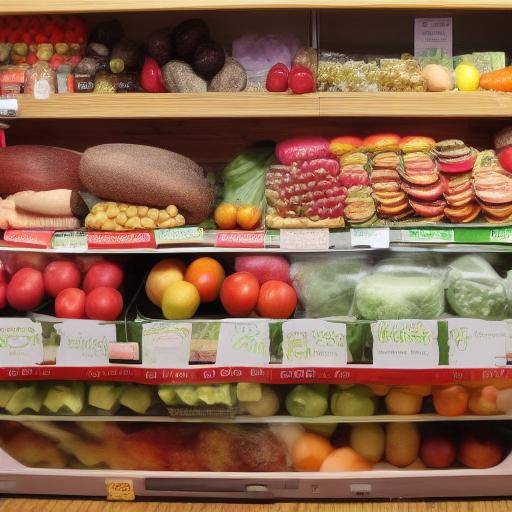
The adoption of a conscious diet, focused on fresh and natural ingredients, can help optimize the family budget. When buying fresh and seasonal foods, you can take advantage of lower prices, especially compared to processed products that are usually more expensive due to their convenience and long service life. In addition, by prioritizing the preparation of meals at home from basic ingredients, the dependence on pre-cooked meals or to take, which is reflected in significant savings over time.
Conclusion
In conclusion, the reduction in the consumption of processed products has many benefits, ranging from improved individual health to long-term economic savings. By prioritizing a diet based on fresh and natural ingredients, the prevention of chronic diseases is promoted and contributes to a general well-being. This decision also entails significant savings in reducing costs associated with processed products and medical costs related to diseases resulting from poor food.
In short, the adoption of more conscious and balanced eating habits not only has a positive impact on individual health, but also has beneficial effects on the financial sphere. By making informed decisions about food, each individual can contribute both to their personal well-being and to the care of their finances. This comprehensive approach not only has implications at the individual level, but can also lead to improvements at the community and social level, transforming the reality of nutrition and health into the current society.
FAQs
How can I reduce the consumption of processed products in my daily diet?
Reducing the consumption of processed products in the daily diet can be achieved by choosing fresh and natural foods instead of packaging or ultraprocessed products. Choosing to cook at home using basic ingredients, planning food purchases, and carefully reading nutritional labels are effective strategies to reduce dependence on processed products on food.
What are some examples of fresh and minimantly processed foods that I can incorporate into my diet?
Some examples of fresh and minimamente processed foods include fresh fruits and vegetables, legumes, nuts, whole grains, natural dairy products, lean meats, fresh fish and seafood. These foods provide essential nutrients and health benefits without additives and preservatives present in processed products.
What is the relationship between healthy eating and economic savings?
A healthy diet can generate long-term economic savings by reducing costs associated with processed foods and medical costs related to chronic diseases. The purchase of fresh foods, the preparation of meals at home and the reduction of pre-cooked or to carry foods can contribute significantly to savings in the family budget.
How can reducing the consumption of processed products impact the prevention of chronic diseases?
Reduced consumption of processed products contributes to the prevention of chronic diseases by minimizing exposure to saturated fats, refined and artificial additives associated with a higher risk of developing diseases such as obesity, type 2 diabetes and cardiovascular diseases. Prioritizing a diet based on natural ingredients strengthens health and reduces the likelihood of developing long-term diseases.
What are the long-term benefits of adopting a diet based on fresh and natural ingredients?
The long-term benefits of adopting a diet based on fresh and natural ingredients include reducing the risk of chronic diseases, higher quality of life, optimizing general well-being and preventing diet-related health conditions. In addition, conscious food can contribute to long-term economic savings by minimizing costs associated with processed products and medical costs derived from diet-related diseases.
What practical recommendations can I follow to improve my food and that of my family?
To improve individual and family feeding, practical recommendations can be followed, such as planning food purchases, prioritizing fresh and minimantly processed foods, reducing the consumption of ultra-processed foods, preparing meals at home from basic ingredients, and involving all family members in adopting healthy eating habits.
With the information presented, the significant impact of reduced consumption of processed products on health and savings is evidenced, which supports the importance of making informed and conscious decisions regarding food. Prioritizing a diet based on fresh and natural foods, not only promotes health and well-being, but also opens the door to a healthier and more economical future.
In conclusion, reducing the consumption of processed products in daily food can generate a positive impact on both individual health and long-term savings. By adopting more conscious eating habits, it helps prevent chronic diseases and optimizes financial resources. Making informed decisions about food not only benefits at the individual level, but also has beneficial effects at the community and social levels, transforming the reality of nutrition and health into the current society.
About the Author
As a nutritionist with strong public health training, the author combines his clinical experience with his passion for promoting healthy eating. With a holistic and practical approach, its objective is to provide relevant and accessible information to promote well-being through conscious nutrition.
Thank you for reading!