Introduction
In today ' s society, health is a fundamental aspect that impacts on all spheres of life. The prevention of diseases through exercise not only contributes to physical and mental well-being, but can also generate a positive impact on the economic aspect. In this article, we will explore in detail how to adopt an active and healthy lifestyle can be translated into significant long-term savings. From its history and background to in-depth analysis, through practical advice, case studies and future predictions, this article will provide a complete overview of this crucial issue.
History and Background
The link between physical exercise, health and savings has been recognized and promoted throughout the history of humanity. From ancient civilizations to modern practices, the importance of remaining active has been manifested in various forms. The first records of physical activity date from prehistoric times, where hunting and gathering required a considerable level of movement. Over time, society has evolved, and exercise has been integrated into various cultures and times, being recognized as a fundamental pillar for disease prevention and health promotion.
The concept of savings through exercise also has historical roots. In ancient times, the inability to carry out physical and labour activities due to diseases was perceived as a direct obstacle to the livelihood and economic well-being of people. This link between health, exercise and savings has been analyzed over the centuries, leading to various policies, health systems and preventive approaches that seek to foster active lifestyles to reduce the costs associated with chronic and acute diseases.
Importance in the News
In today's society, advances in medicine and science have allowed a deeper understanding of the relationship between exercise, health and savings. Regular physical activity has been shown to prevent a wide range of diseases, from cardiovascular to degenerative. Furthermore, the costs associated with the treatment and management of these diseases represent a significant burden on health systems, families and the economy in general. Therefore, promoting prevention through exercise not only benefits at the individual level, but also has a positive impact on society as a whole.
Analysis in Deep
Regular exercise not only entails obvious physical benefits, but also has economic repercussions that often go unnoticed. Scientific studies have shown that people who maintain an adequate level of physical activity tend to experience lower rates of chronic diseases, which in turn reduces the need for costly treatments, hospitalizations and long-term medications. This direct relationship between exercise, disease prevention and savings in medical costs is a determining factor in the quality of life and the financial stability of people.
Statistics and Real Cases
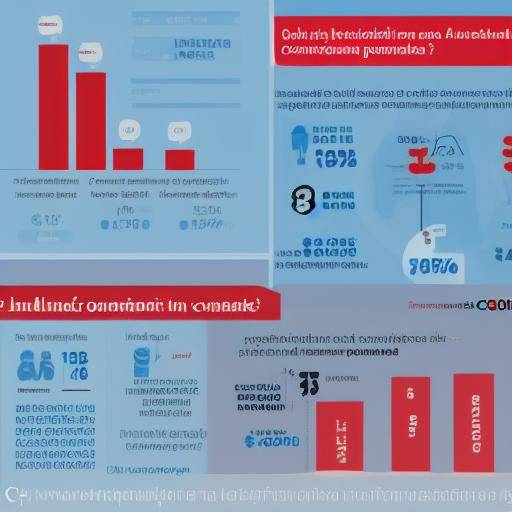
Statistics conclusively show that the adoption of an active and healthy lifestyle can have a significant impact on the reduction of medical costs over time. For example, research carried out in different countries has revealed that investment in physical activity promotion and disease prevention programmes can generate significant savings for health systems and individuals. In individuals with sedentary habits, the costs associated with cardiovascular diseases, type 2 diabetes and other disorders related to physical inactivity are significantly higher than those who perform regular exercise.
Comprehensive review
Applications and Best Practices
There are multiple approaches and practices that can promote disease prevention through exercise. From community physical activity programs to the promotion of active working environments, many initiatives seek to improve access to opportunities to stay active. These approaches not only benefit individual health, but also have an impact on labour productivity, the reduction of absenteeism and, ultimately, the management of costs related to medical care.
Comparative analysis
Compare different approaches and strategies for disease prevention through exercise allows us to identify the strengths and limitations of each one. From the promotion of physical activity in educational settings to the implementation of government policies that promote the creation of public spaces for recreational activities, each strategy has unique implications in terms of health and savings. Studying these approaches from a comparative perspective provides valuable information to design effective policies and promote the adoption of active lifestyles at both individual and community levels.
Practical Tips and Recommendations
Maintaining a preventive approach to health and savings through exercise requires the implementation of concrete strategies at the personal and social levels. Some practical tips include:
- Conduct at least 150 minutes of moderate physical activity per week.
- Incorporate muscle strength exercises at least twice a week.
- Promote active habits in the working environment, such as active breaks and walking meetings.
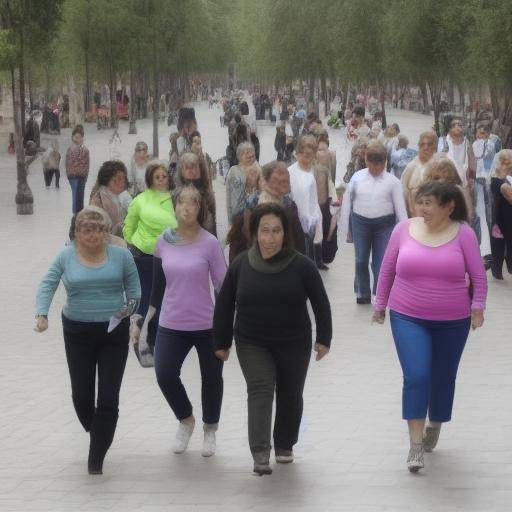
- Find opportunities for physical activity in everyday life, such as the use of bicycles or walks.
In addition, it is important to promote a holistic approach that addresses the importance of balanced food, stress control and mental health care as a key part of disease prevention and long-term savings.
Industry Perspectives and Expert Reviews
Various public health, economics and well-being experts have shared their perspectives on the relationship between exercise, disease prevention and savings. Their views coincide in highlighting the importance of investing in the promotion of active lifestyles as a preventive measure both individually and collectively. They also highlight the need for comprehensive policies that foster environments conducive to physical activity and address barriers that limit access to exercise practice.
Case Studies and Practical Applications
Analyzing real cases where the promotion of exercise has had significant impacts on health and savings provides concrete examples of the effectiveness of these strategies. From government programs that have managed to reduce the costs associated with chronic diseases, to companies that have implemented well-being initiatives that have generated improvements in both employee health and medical cost management, there are numerous experiences that demonstrate the potential of the preventive approach through exercise.
Future Trends and Predictions
The current picture points to a growing awareness of the importance of disease prevention through exercise, suggesting promising trends for the future. The integration of innovative technologies, the development of public policies aimed at promoting the exercise and the evolution of more active labour environments are expected to further enhance the positive impact of exercise on health and savings. In addition, there is a greater emphasis on education and outreach on the benefits of exercise, both at the individual and community levels.
Conclusions
In short, disease prevention through exercise can significantly impact the reduction of costs associated with medical treatments and hospitalizations. Promoting active lifestyles not only promotes health and well-being, but also represents an effective strategy for managing long-term expenditures. As society moves towards a more preventive and sustainable approach in the field of health, it is essential to recognize the fundamental role of exercise in this equation. Adopting a proactive approach to integrating exercise into the daily routine can lead to significant savings, both on a personal and collective scale.
Frequently asked questions (FAQs)
What is the relationship between physical activity and disease prevention?
Regular exercise is associated with reducing the risk of chronic diseases such as diabetes, cardiovascular disease and obesity, which in turn can contribute to reduced long-term medical costs.
How can exercise impact on money savings?
By preventing diseases, exercise can reduce the costs associated with medical treatment, hospitalizations and medicines, generating savings at both individual and health systems.
What are some effective strategies to promote physical activity in everyday life?
Incorporating habits such as walking, cycling, active breaks at work and participating in recreational activities are effective strategies to promote physical activity in everyday life.
What role do public policies play in promoting exercise?
Public policies can influence the creation of enabling environments for exercise, foster access to sports spaces and promote education on the importance of exercise.
What are the economic benefits of an active and healthy lifestyle?
Saving long-term medical costs, reducing labour absenteeism and improving productivity are some of the economic benefits associated with an active and healthy lifestyle.
To what extent can exercise contribute to the sustainability of health systems?
Promoting exercise can contribute to the sustainability of health systems by reducing the burden of chronic diseases and associated costs, leading to more efficient resource management.
Conclusion
Exercise as a tool for disease prevention and economic savings is a key part in building healthier and more sustainable societies. The promotion of active lifestyles not only represents an investment in individual well-being, but also an effective strategy for managing long-term health costs. By adopting preventive approaches that integrate exercise, societies can work towards creating healthier and economically sustainable environments.
With this in mind, it is crucial to promote greater awareness of the benefits of exercise, as well as to implement policies and programmes that promote physical activity in various fields. In doing so, we can move towards a society in which prevention, health and savings are intrinsically linked, providing both individual and collective benefits.